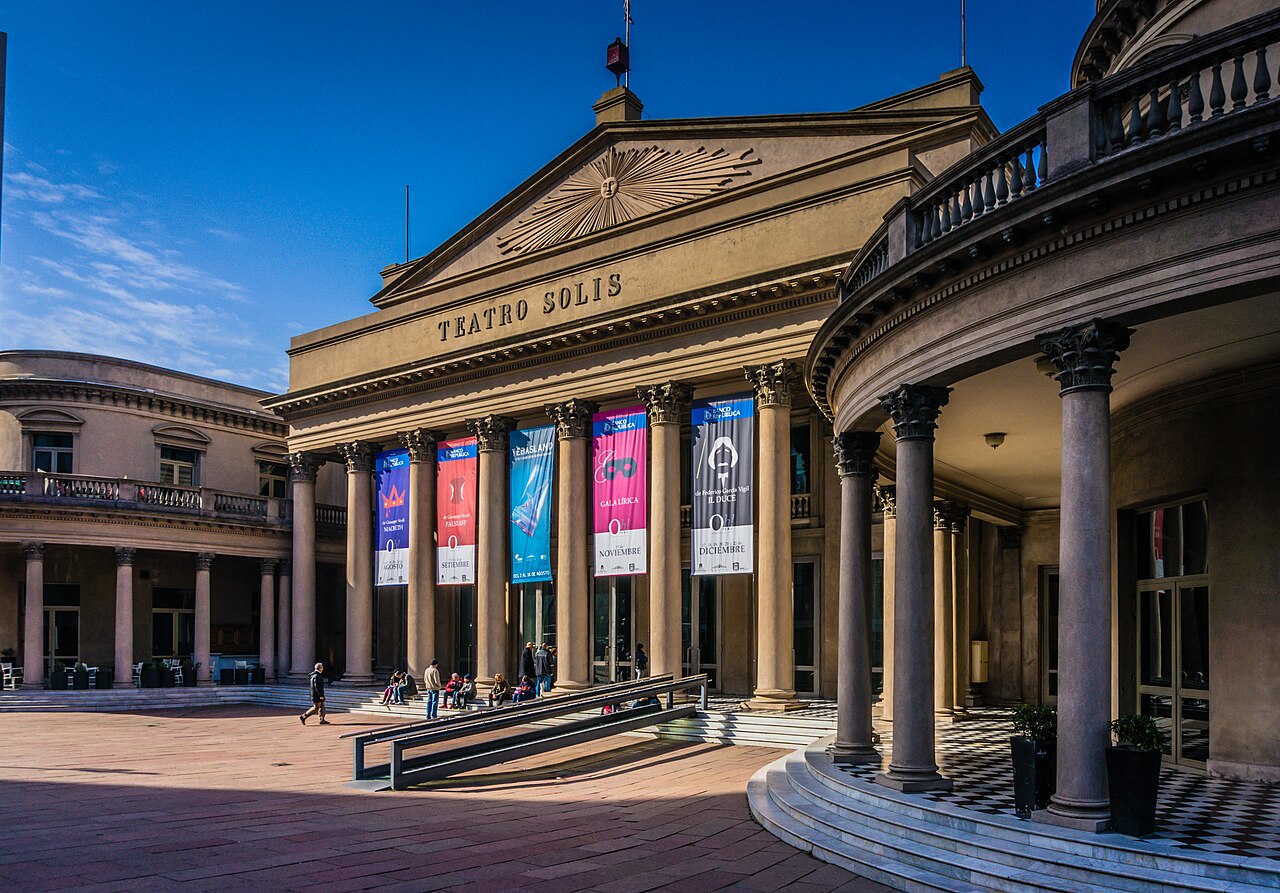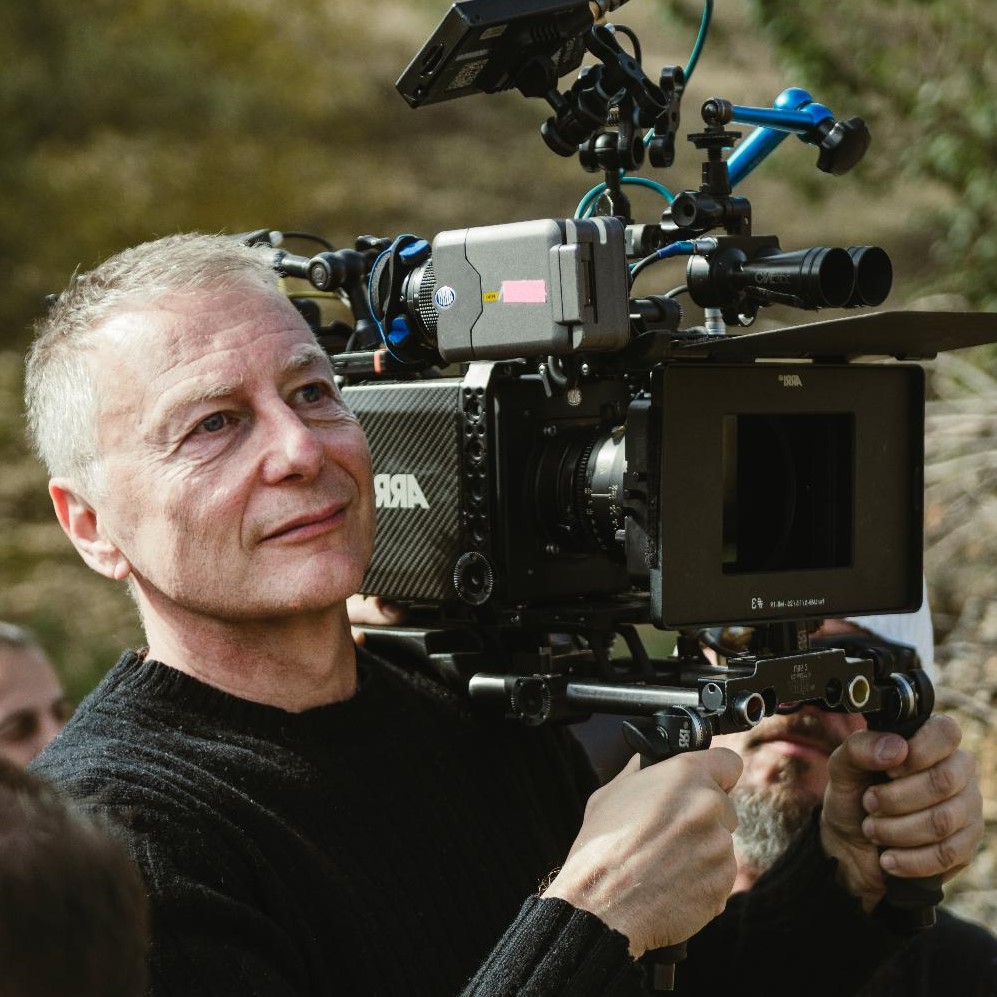
On 28 October, as part of the 39th Tokyo International Film Festival, the Academy of Motion Picture Arts and Sciences held a panel at Tokyo Midtown Hibiya Hall. CEO Bill Kramer, president Lynette Howell Taylor and membership chief Meredith Shea spoke with festival director Takeo Hisamatsu. Kramer then received a special festival award recognising his contribution to global cinema.
A key topic was the international feature category. From the 99th Oscars, a non-English-language film can qualify by winning a designated prize at a major festival, without needing its country's official selection. Six awards open that route: the Palme d'Or in Cannes, the Golden Lion in Venice, the Golden Bear in Berlin, Busan's best film award, Sundance's World Cinema Grand Jury Prize and Toronto's Platform prize. Asked why Tokyo is not on the list, Kramer signalled that it may be expanded.
The Academy also stressed how global it has become: around a quarter of its members now live outside the United States, up from roughly 5% a decade ago, and it counts about 70 Japanese members. Another major shift is coming: from 2029 to 2033, YouTube will stream the ceremony live and free worldwide, after ABC's final broadcast in 2028.
For filmmakers in Africa, Asia or Latin America, these changes matter: a festival win can now be enough to compete for an Oscar, even without backing from a national selection committee.